

 Keith Nallawalla
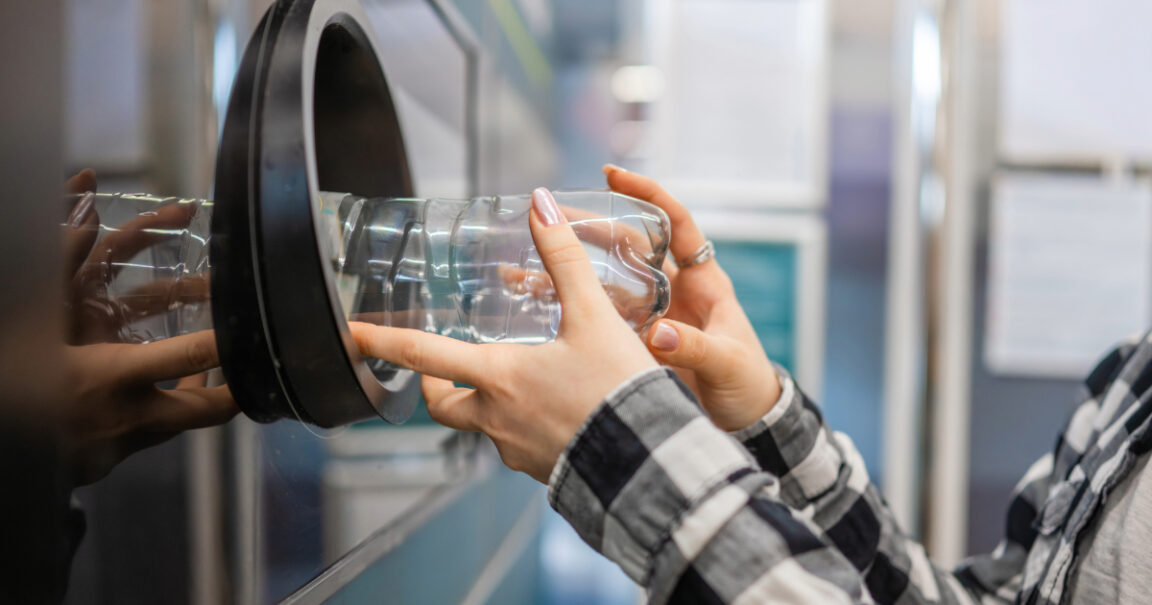
Since November 2023, Victoria has finally joined the rest of Australia in offering 10 cents back for every eligible drink container you return. And honestly? It’s been pretty great.
When I first heard CDS Vic was coming, I was genuinely excited. Not just mildly interested, but actually looking forward to it. I started collecting bottles and cans months before the scheme even launched, storing them up like some kind of recycling hoarder. And now, after seeing how much money I’ve made from it, and noticing how much cleaner my local area has become, I’m even more convinced this was a brilliant idea.
South Australia Has Been Doing This Since 1977
Before we get too excited about Victoria’s scheme, we should probably acknowledge that South Australia has been running their container deposit scheme since 1977. That’s nearly 50 years of collecting 10 cents for every can and bottle.
South Australians have been quietly laughing at the rest of us this whole time, returning more than 600 million containers a year and keeping beverage containers to less than 3% of their litter. Meanwhile, the rest of us were just chucking our cans in the recycling bin like chumps and getting nothing back for it.
The SA scheme has been so successful that it received a National Trust Heritage Icon Award in 2017. An award for recycling. That’s how good it is.
But better late than never, I suppose. At least Victoria finally caught up.
How Much Money Are People Actually Making?
When I first heard about CDS Vic being planned, I got genuinely excited. I remember in the early 90s seeing a kid I went to creche with had collected thousands of cans and bottles and taken them over to South Australia for a massive refund, and 10 cents was worth more back then.
This was months before the official November 2023 launch, and I immediately started collecting bottles and cans from every party and social event I went to. Plus, my parents and the next-door neighbour (who drinks a lot of bottled water) help me collect as well.
People thought I was weird at first. “Why are you taking home a bag of empty beer cans?” Because in a few months, those cans are going to be worth money, that’s why.
I stored them all up in my garage and roof, and once the scheme launched, I started returning them. To date, I’ve made over $500 from CDS Vic. Five hundred dollars. That’s not just from my own household consumption either. I still collect as many empty cans and bottles as I can at parties and social events and take them home with me. My mates have mostly stopped questioning it now. Some of them have even started saving their empties for me. We even have a special bin for them in our office that slowly fills every few months.
Turns out, I’m not alone in making decent money from this. Since the launch in November 2023, Victorians have returned 1.8 billion containers. That’s $180 million that’s gone back into people’s pockets (or into community organisations). That’s not pocket change.
Schools and sporting clubs are absolutely killing it with this scheme. AFL Victoria partnered with CDS Vic, and local footy clubs across the state are now fundraising by collecting containers. Tennis clubs are doing the same thing. One charity, Save the Children Australia, received over $3,000 in a single month just from people donating their container refunds.
The scheme even ran a competition earlier this year where they gave away five $10,000 prizes (marketed as “One Million Cents” which is a bit cheeky but I appreciate the branding). Winners came from all over Victoria, from Geelong to Wodonga to Bayswater, proving that people from all over the state are actually using this thing.
But it’s not just organisations making money. Regular people are cashing in too. Some folks have turned container collecting into a legitimate side hustle, scouring parks, bins, and events for discarded bottles and cans. It’s like the modern version of the old “Cash for Cans” program that some of us remember from childhood, except now it includes glass bottles and juice cartons too.
It’s Actually Cleaning Up Our Streets And Waterways
The money side is great, but the environmental impact is what the scheme was really designed for. And it’s working.
I’ve noticed a difference around my local area. There are fewer cans and bottles littering the footpaths, parks, and car parks. The scheme gives people a financial incentive to pick up litter instead of walking past it.
The other day I was at my local Foodworks, and I spotted a couple of empty cans in the bushes near the car park. Normally I’d probably just leave them there, thinking “someone else’s problem.” But knowing I could get 20 cents for them, I grabbed them and chucked them in my car. Two minutes of effort, 20 cents richer, and the car park looks a bit tidier. It’s a win all around.
The scheme targets drink containers because they’re some of the most common litter items. They’re consumed on the go, and people tend to just toss them wherever. But now there’s an actual reason to keep hold of that bottle until you can return it.
Victoria’s aiming to divert 80% of all material from landfill by 2030, and the container deposit scheme is a big part of that goal. Every bottle and can that gets returned is one less item in landfill and one more piece of high-quality recycled material going back into the circular economy.
How The App Works (And The Gamification Of It)
One of the smartest things about CDS Vic is how they’ve made it really easy to participate. There are three different apps depending on which zone you’re in (CDS Vic North, CDS Vic East, and CDS Vic West), but they all work basically the same way.
You download the app, create an account, and link your preferred payment method. This could be a bank transfer, PayPal, or even retail vouchers from participating stores. Then you get a personal barcode or QR code.
When you rock up to a reverse vending machine (which is what the fancy automated collection points are called), you scan your barcode, feed in your containers one by one, and your refund gets credited to your account. It’s genuinely quite satisfying watching the total tick up on the screen.
The app also tracks your recycling stats, which adds a bit of gamification to the whole thing. You can see how many containers you’ve returned, how much money you’ve made, and how much you’ve donated if you’re supporting a charity or community group. Some people get genuinely competitive about it, trying to hit certain milestones or beat their previous month’s totals.
There’s also a location finder so you can see where your nearest refund point is. Victoria now has over 600 refund points across the state, including reverse vending machines, depots, and over-the-counter sites. The network keeps expanding too, so if there isn’t one near you now, there probably will be soon.
It Frees Up Space In Your Recycling Bin
This is a benefit I didn’t anticipate until I started using the scheme regularly. My household recycling bin used to be absolutely packed with drink containers. Soft drink bottles, beer bottles, wine bottles (well, not wine bottles since they’re not eligible), juice cartons, the works.
Now that I’m pulling out all the eligible containers for CDS Vic, my recycling bin has so much more room. This means I’m not trying to jam everything in the night before bin day, and I’ve got space for all the other recyclables like cardboard boxes, food containers, and packaging.
The containers you return through CDS Vic still get recycled obviously, they just go through a different system that captures higher-quality materials. Cans, bottles, and cartons collected through the scheme are sorted by material type and sent to be remanufactured into new products. It’s better for the environment and better for your bin situation.
Some councils even give out stickers you can put on your recycling bin to let people know you participate in the scheme and don’t have containers in there. This is apparently useful for people who like to check bins for returnables (more on that in a moment).
The Best Places To Find Extra Containers
If you’re keen to make some extra cash from this scheme beyond just your own household’s containers, there are some spots that are absolute gold mines for finding returnables.
The side of highways is surprisingly lucrative. People throw bottles and cans out of their car windows constantly, and they just accumulate on the verges. If you’re willing to pull over and do a bit of walking, you can fill a bag pretty quickly. Just be safe about it and don’t do this on high-speed roads.
But the real treasure trove? Petrol stations and fast food places on major freeways. The bins at these locations are constantly overflowing with drink containers. People stop, get a drink, finish it, and toss it in the bin. But those bins fill up fast, especially on weekends and public holidays.
I’m not suggesting you go dumpster diving, but if there are bottles and cans literally spilling out of an overflowing bin or sitting on top of it, they’re fair game. A quick stop at a servo on the Hume Freeway or the Princes Freeway can easily net you 50 or 100 containers if you time it right after a busy weekend.
Parks after events are also great. Any time there’s been a community event, sports game, or festival, you’ll find containers everywhere. Same goes for beaches and picnic areas on hot days.
Just remember: don’t crush the containers. The machines need to scan the barcodes, so crushed cans and bottles won’t be accepted. Keep the lids on too, as they get recycled as part of the container.
The Scheme Isn’t Perfect
Look, I’m generally positive about CDS Vic, but it’s not without its issues. Some regional areas have struggled with the scheme’s implementation. There have been problems with network coverage preventing claims from being processed, delays in container collection leading to sites refusing further deposits, and even vandalism and theft of containers after hours.
Some transfer stations in regional Victoria have stopped participating because the operational model wasn’t viable for them. The scheme works great in metro Melbourne, but there are definitely some kinks to iron out in rural and regional areas.
There’s also the fact that not all containers are eligible. Wine and spirit bottles aren’t included (though South Australia announced in 2025 that they’re adding these by 2027, so maybe Victoria will follow). Milk containers aren’t eligible. Any container under 150ml or over 3 litres is out. It can be a bit confusing working out what qualifies and what doesn’t.
The easiest way to tell if something’s eligible is to look for the “10c” marking on the label, usually near the barcode. If it’s got that marking, you can return it.
It’s Actually A Pretty Solid Marketing Success
From a marketing perspective, CDS Vic has done a lot of things right. They’ve created a scheme that’s easy to understand (return containers, get money), accessible through multiple channels (machines, depots, over-the-counter sites), and genuinely beneficial to participants.
The gamification through the apps is smart. People like tracking their progress and seeing their totals increase. The donation partner program is genius from a community engagement standpoint because it lets people feel good about supporting local causes while also cleaning up the environment.
The partnerships with AFL Victoria, Tennis Victoria, and Zoos Victoria have been effective at getting different demographics involved. If your local footy club is collecting containers, you’re more likely to participate. If your kid’s school is fundraising through the scheme, suddenly you’re sorting your recycling more carefully.
The “Win A Million! Cents” competition was a clever promotional campaign that got people talking about the scheme and trying it for the first time. Framing $10,000 as “one million cents” is the kind of cheeky marketing that gets attention.
And the environmental messaging has been spot-on. They’re not preaching or making people feel guilty. They’re just pointing out that you can make money while helping the environment, and that’s a much easier sell than “you should recycle because it’s the right thing to do.”
Should You Bother?
If you’re still just chucking your drink containers in your regular recycling bin, you’re literally throwing money away. Even if you only return 20 containers a week, that’s $2. Over a year, that’s over $100.
I’ve made over $500 since the scheme launched, and that’s with minimal extra effort beyond being the person who collects the empties at parties. For families who go through a lot of soft drinks, juice boxes, and other beverages, the scheme can genuinely offset a chunk of your grocery bill. For community groups and schools, it’s passive fundraising that requires minimal effort once you set up a collection system.
And even if the money doesn’t matter to you, the scheme is making a tangible difference to litter levels. That’s worth supporting on its own.
So yeah, Victoria’s Container Deposit Scheme is actually good. It took us long enough to get here (thanks for leading the way, South Australia), but now that we’ve got it, we might as well use it.
Keep your containers, download the app, and find your nearest refund point. Your wallet and your local environment will both thank you.
And if you’re looking for a weekend side hustle, those servo bins on the Calder Freeway aren’t going to empty themselves.