

 Elias Gabris
If you’re investing in Google Ads, SEO, or social media marketing, one thing matters more than anything else – knowing what’s actually driving results.
Many businesses spend thousands of dollars each month bringing traffic to their website, but they still don’t have clear tracking in place. Without proper conversion data, it becomes difficult to understand which campaigns are generating real enquiries, phone calls, or sales.
That’s why conversion tracking is no longer just a “nice to have” – it’s essential. And in 2026, one of the easiest and most reliable ways to manage conversion tracking is through Google Tag Manager (GTM).
What Is Google Tag Manager?
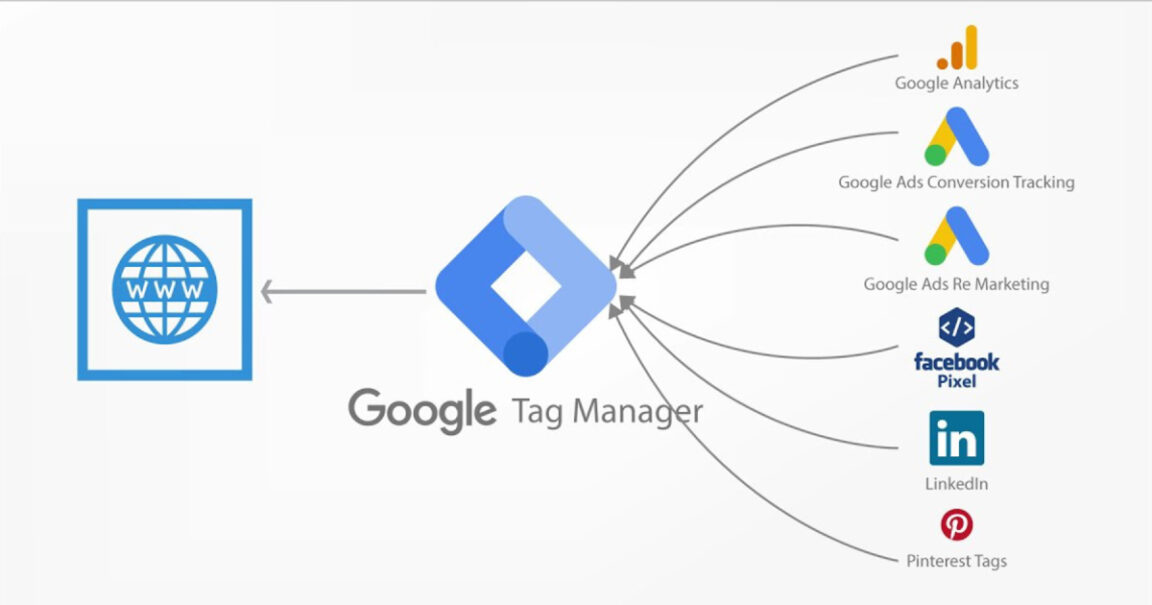
Google Tag Manager is a free tool from Google that allows you to add and manage tracking codes on your website without needing to constantly edit the backend or rely on developers for every update.
Instead of placing multiple scripts manually across your site, GTM gives you one central dashboard where you can control everything. It’s especially useful for marketing teams who need flexibility and speed.
With GTM, you can manage tracking for:
- Google Ads conversion actions
- Google Analytics 4 events
- Meta and LinkedIn pixels
- Remarketing tags
- Custom button clicks and form submissions
It keeps your tracking setup cleaner, easier to maintain, and far less stressful over time.
Why Conversion Tracking Matters More Than Ever
The digital marketing landscape has changed significantly in recent years. Privacy updates, cookie restrictions, and automated ad platforms mean businesses need more accurate tracking than ever before.
Conversion tracking helps you move beyond vanity metrics like clicks and impressions, and instead focus on what actually matters – real customer actions.
It allows you to answer important questions such as:
- Which campaigns are producing genuine leads or purchases?
- Which landing pages are converting best?
- Are users calling the business more than filling out forms?
- Where are potential customers dropping off in the journey?
Without this visibility, marketing decisions become guesswork, and budgets can be wasted quickly.
Key Benefits of Setting Up Conversions Through GTM
- Faster Changes Without Developer Bottlenecks
Traditionally, adding conversion tracking meant updating website code directly. That process often required developer support, which could take days or even weeks depending on priorities.
With Google Tag Manager, marketers can implement new tracking far more quickly. In many cases, you can launch or update conversion tracking in just a few hours.
This is especially helpful when:
- Campaigns need rapid optimisation
- New landing pages go live
- Conversion actions change over time
Speed and agility make a big difference in competitive markets.
- Cleaner, More Organised Tracking Management
Over time, websites can accumulate multiple tracking scripts from different platforms. This can slow down site performance and create confusion when troubleshooting issues.
GTM keeps everything structured in one place, offering benefits like:
- Centralised tag control
- Built-in preview and debugging tools
- Version history to track changes safely
This reduces the risk of duplicated tags, broken conversions, or outdated scripts running in the background.
- More Accurate Event-Based Tracking
Modern marketing is no longer about simply tracking page visits — it’s about tracking meaningful actions.
Google Tag Manager makes it easier to measure real customer behaviour, such as:
- Clicking a “Call Now” button on mobile
- Submitting an enquiry or quote form
- Booking an appointment
- Completing an online purchase
This event-based tracking provides far deeper insight into how users engage with your site, and where improvements can be made.
- Better Google Ads Optimisation and Smarter Bidding
Google Ads relies heavily on conversion signals. If conversions aren’t tracked properly, Google’s bidding algorithms don’t have the right data to optimise campaigns effectively.
A well-configured GTM setup supports:
- Smart bidding strategies like Target CPA or Target ROAS
- Stronger remarketing audiences
- Improved attribution modelling across channels
In simple terms, better tracking leads to better performance and more efficient ad spend.
- Flexibility Across Different Business Goals
Not every business defines conversions the same way.
For example:
- Ecommerce brands track purchases and revenue
- Service businesses track quote requests and calls
- Local showrooms track bookings and direction clicks
Google Tag Manager allows you to track multiple conversion types at once and prioritise the actions that matter most to your business.
Whether you manage marketing internally or work with a trusted marketing agency, GTM ensures decisions are backed by accurate data rather than assumptions.
Why GTM Is Essential for Future-Proof Marketing
As Google continues moving toward privacy-first tracking and machine learning, having a strong tracking foundation is becoming even more important.
Advanced features like enhanced conversions, consent mode, and server-side tracking often begin with Google Tag Manager.
Businesses that invest in proper tracking infrastructure today will be far better positioned to adapt as platforms continue to evolve.
Final Thoughts
Conversion tracking isn’t just a technical setup – it’s the foundation of successful digital marketing.
Google Tag Manager makes tracking faster, cleaner, and more scalable, helping businesses understand what’s working and where to optimise.
In 2026, it’s not about running more ads – it’s about tracking smarter, improving performance, and focusing on the actions that truly drive growth.