

 Sara C
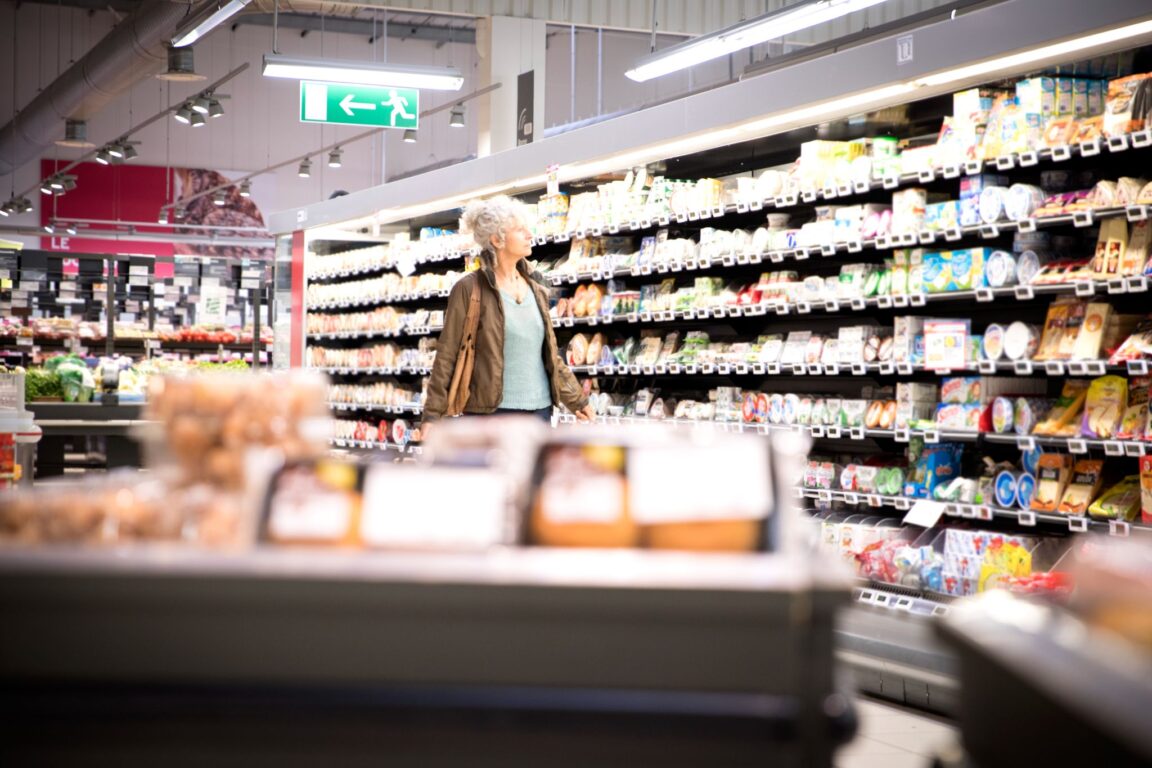
Most Australians buy FMCG products almost every single day without even thinking about it.
Whether it’s grabbing toothpaste from Woolies, picking up snacks at the servo, or restocking shampoo, cleaning products, or soft drinks, FMCG goods are part of everyday life. They’re the products people use regularly, replace often, and expect to find easily both in-store and online.
But while consumers interact with these products constantly, many people still aren’t entirely sure what “FMCG” actually means.
For Australian retailers, wholesalers, and online businesses, understanding the FMCG market is increasingly important, especially as consumer demand continues shifting toward convenience, affordability, and fast product availability. This is also why reliable FMCG suppliers play such a pivotal role in helping businesses keep up with changing shopping habits and inventory demands.
What Does FMCG Actually Mean?
FMCG stands for Fast-Moving Consumer Goods.
In simple terms, these are products that sell quickly at relatively low prices and need frequent restocking because consumers use them regularly.
Unlike large purchases such as furniture or electronics, FMCG products are everyday essentials or convenience items people buy repeatedly. They move through stores fast, which is where the “fast-moving” part comes from.
Common FMCG categories in Australia include:
- Food and beverages
- Snacks and confectionery
- Toiletries and personal care items
- Cleaning products
- Health and beauty products
- Household essentials
- Basic over-the-counter items
Think about a typical weekly supermarket shop. Bread, milk, bottled water, deodorant, laundry detergent, soft drinks, and skincare products all fall under the FMCG category.
These products are designed for high turnover, meaning retailers rely on a consistent stock supply and efficient distribution to keep shelves full.
Why FMCG Products Are So Important in Australia
The FMCG industry is one of the biggest sectors in Australia because it supports everyday consumer spending.
Unlike luxury purchases, FMCG goods remain in demand regardless of season or economic conditions because they’re tied to daily living. People may cut back on discretionary spending during cost-of-living pressures, but they still need groceries, toiletries, and household essentials.
Australian shopping habits have also changed significantly in recent years. Consumers now expect:
- Faster delivery
- More product variety
- Competitive pricing
- Convenient online ordering
- Trend-driven product ranges
This has created strong competition across supermarkets, convenience stores, independent retailers, and online businesses.
The rise of social media and online shopping has also influenced FMCG demand. Viral products, trending snacks, skincare items, and imported goods can suddenly experience huge spikes in popularity almost overnight.
For retailers, staying ahead of these trends often depends on working with reliable FMCG suppliers who can provide fast access to in-demand products and wholesale stock availability.
The Difference Between FMCG and Other Retail Products
One thing that separates FMCG products from other retail categories is speed.
These products are purchased frequently and consumed quickly. A customer may buy toothpaste or bottled water every week, but they probably won’t buy a television or dining table nearly as often.
Because of this, FMCG businesses focus heavily on:
- Inventory turnover
- Supply chain efficiency
- Product availability
- Wholesale pricing
- Distribution speed
Margins on individual FMCG items are often lower compared to larger retail products, so success usually relies on volume sales and repeat purchases.
Packaging and branding also play a major role in the FMCG industry. Consumers often make quick buying decisions based on familiarity, convenience, price, or visual appeal. This is why major FMCG brands invest heavily in marketing and shelf presentation.
In Australia, FMCG products are sold across a wide range of retail environments, including supermarkets, pharmacies, petrol stations, discount stores, convenience shops, and increasingly through online marketplaces.
Why Reliable FMCG Suppliers Matter for Retail Businesses
For retailers and distributors, stock consistency is everything.
If customers can’t find the products they regularly buy, they’ll often switch stores without much hesitation. That’s why choosing the right supplier is one of the most important decisions for businesses operating in the FMCG space.
Reliable suppliers help businesses maintain inventory levels, access trending products, and respond quickly to changing consumer demand. This becomes especially important during seasonal shopping periods, promotional campaigns, or sudden increases in product popularity.
Australian businesses also need suppliers who understand local market trends and customer expectations. Fast shipping, competitive wholesale pricing, product variety, and dependable stock availability all contribute to smoother retail operations.
Suppliers like JTC Import Export help businesses access wholesale FMCG product ranges suited to Australia’s fast-paced retail environment. For retailers trying to stay competitive, having access to reliable wholesale stock can make a significant difference to customer satisfaction and long-term growth.
–
FMCG products are a huge part of everyday life in Australia, even if most consumers never think about the term itself. From groceries and beverages to personal care and household essentials, these products keep retail businesses moving and consumers stocked with the items they use daily.
As shopping habits continue evolving, businesses that work with dependable FMCG suppliers are often better positioned to keep up with customer expectations, product trends, and inventory demands. In a retail landscape built around speed, convenience, and consistency, the FMCG industry remains one of the most important sectors in the Australian market.